
Collection: Matcha bowls
The matcha bowl is more than just a vessel for drinking tea—it holds a special place in the world of tea ceremony.
After enjoying the tea, it is customary to take the bowl in hand and quietly admire its form and decoration, appreciating the maker’s spirit and the seasonal atmosphere it conveys.
A matcha bowl also plays a role in expressing the season within the tearoom, where the choice of design can transform the entire setting. Finding a bowl that resonates with you will enrich everyday moments and turn them into something truly special.

Enhance Your Matcha Bowl Experience
-
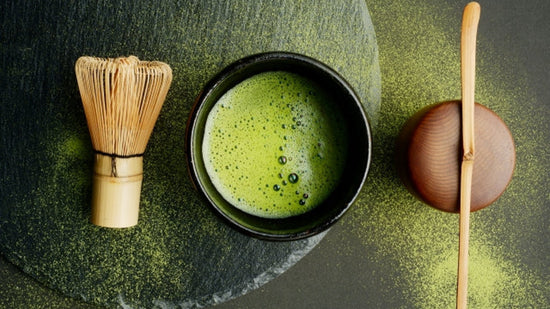
How to Choose a Matcha Bowl for Everyday Use
Read the columnDiscover how to select the perfect matcha bowl for daily enjoyment — with practical tips for making casual yet refined choices.
-
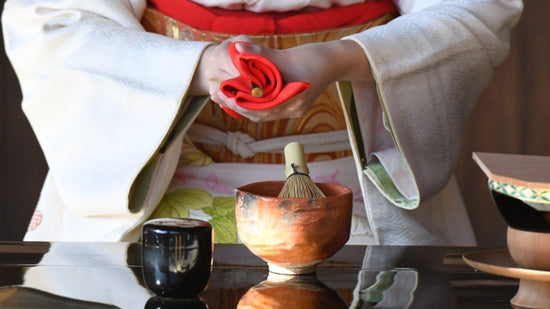
Care and Handling Guide for Matcha Bowls
Read the columnLearn how to care for your matcha bowl—from basic maintenance to tips for specific styles like Ninsei, Raku, Kōchi, and Tenmoku. A must for tea lovers.
-
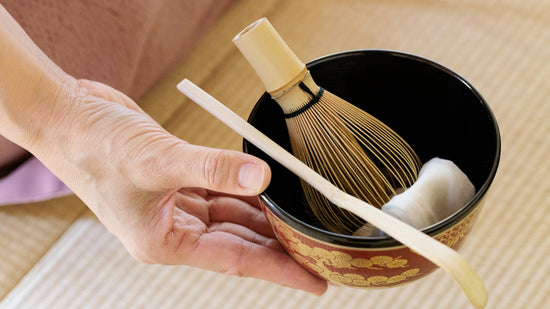
How to Choose a Matcha Bowl for Tea Practice
Read the columnA gentle guide to choosing matcha bowls for tea practice, highlighting approachable forms, seasonal touches, and designs that support your daily study of tea.
Curated Favorites: Summer Matcha Bowls — A Season of Cool
-
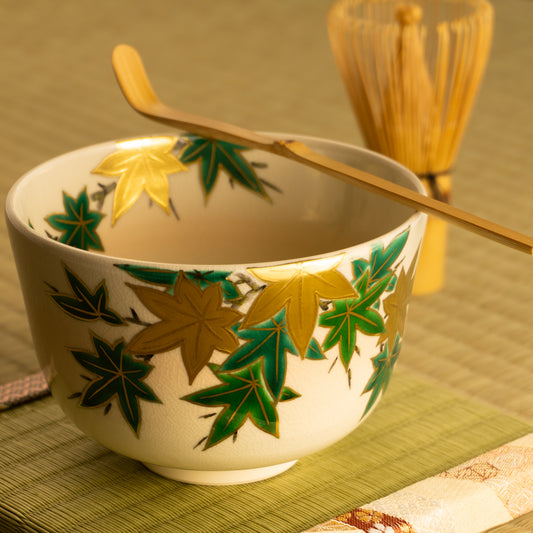
Matcha Bowl -Green Maple by Antoku
Regular price ¥7,700 JPYRegular priceUnit price per -
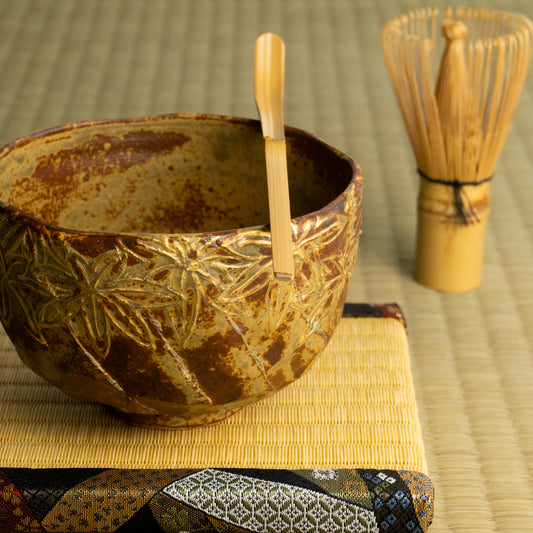
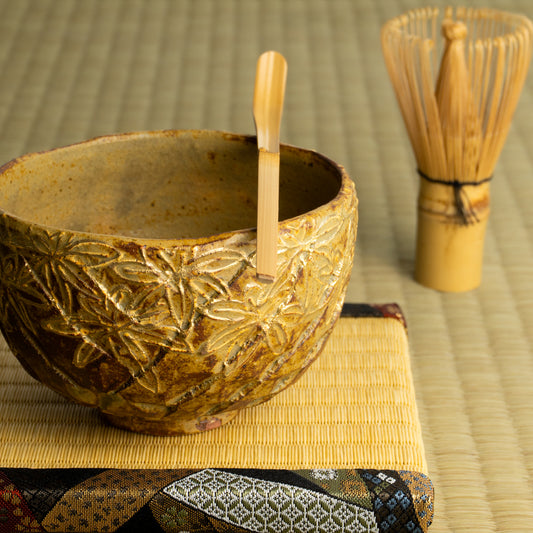
Matcha Bowl - Gold-Painted Green Maple Leaves by Touraku
Regular price ¥22,000 JPYRegular priceUnit price per -
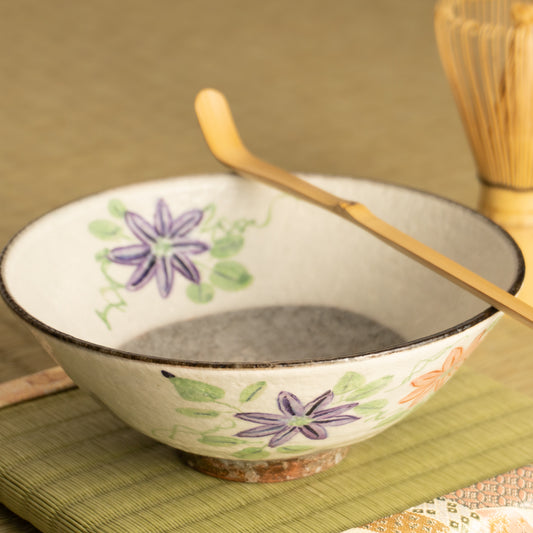
Matcha bowl (flat) - Clematis by Yoshizo
Regular price ¥8,800 JPYRegular priceUnit price per -
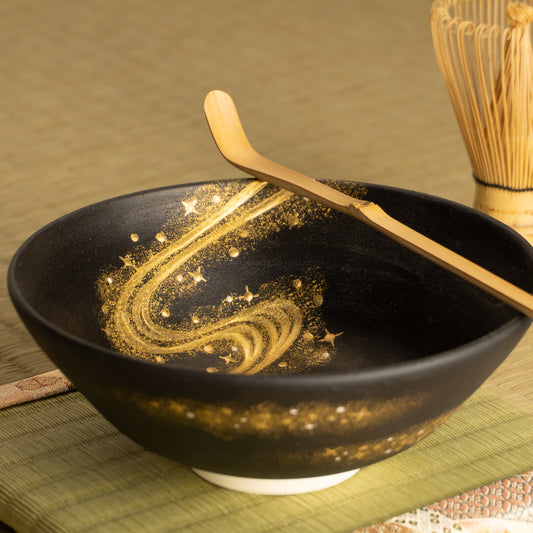
Matcha Bowl (Flat) - Matte black base "Celestial" by Zensho
Regular price ¥20,900 JPYRegular priceUnit price per -
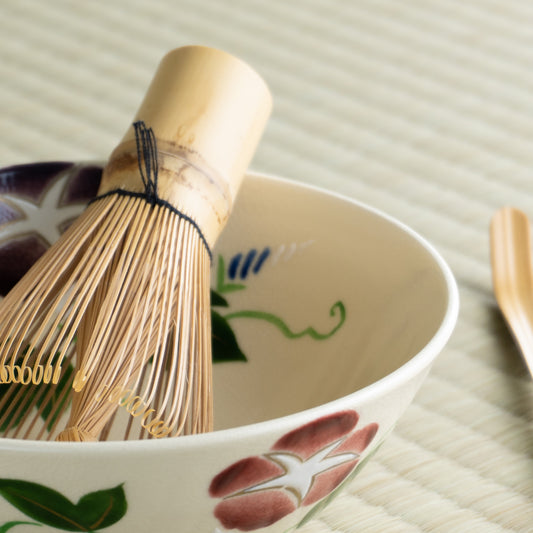
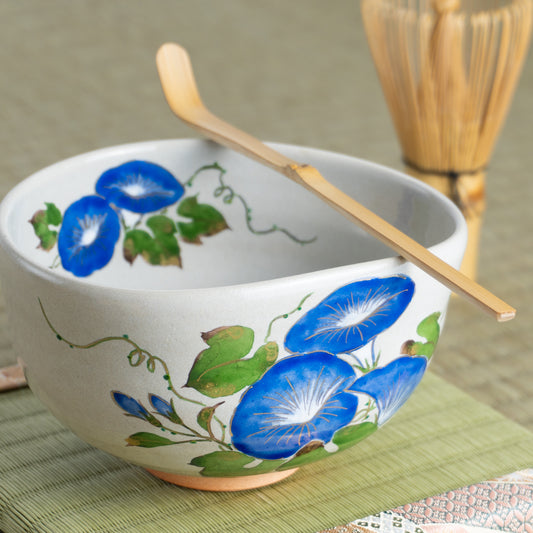
Flat Matcha Bowl – Morning Glories by Hōsen
Regular price ¥6,800 JPYRegular priceUnit price per





Curated Favorites: Matcha Bowls for Casual Tea Moments
-
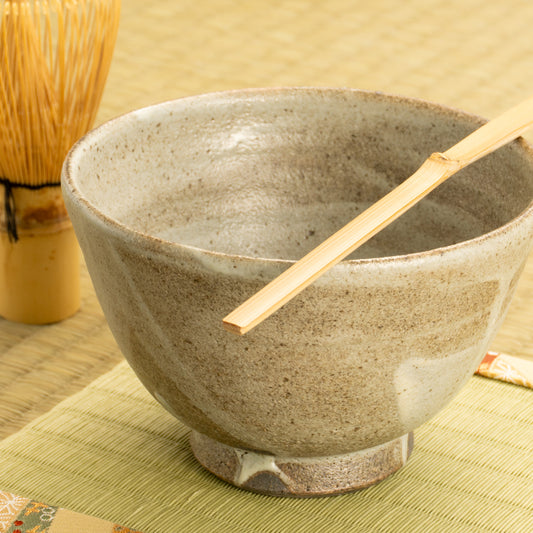
Matcha Bowl -Nanban Glaze by Yoshiro Taya
Regular price ¥5,500 JPYRegular priceUnit price per -
Matcha bowl -Shoe shape ,伊羅保(Irabo) by Juzen kiln
Regular price ¥4,500 JPYRegular priceUnit price per -
Matcha bowl -White brush marks by Yoshiro Taya
Regular price ¥5,500 JPYRegular priceUnit price per -
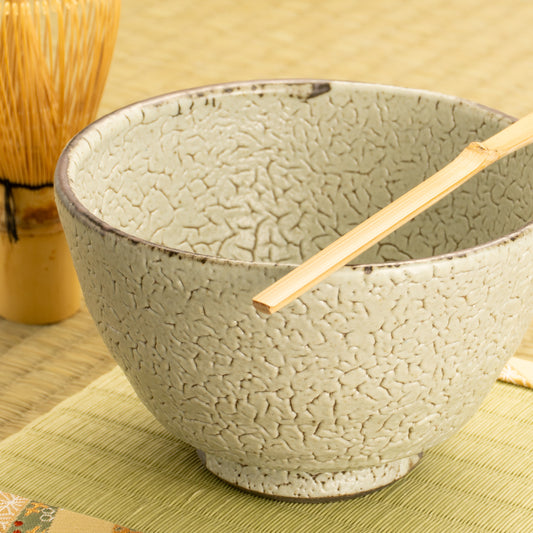
Matcha bowl -梅花皮"Kairagi" byYoshiro Taya
Regular price ¥6,600 JPYRegular priceUnit price per -
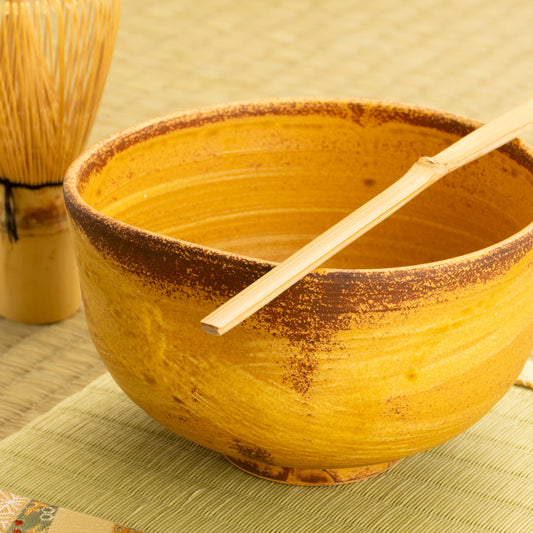
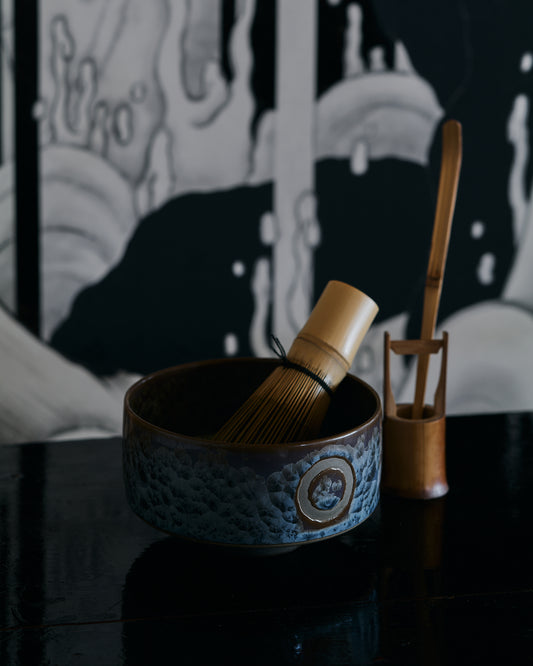
Matcha bowl -蒼鱗(Sourin) by QUTOTEN
Regular price ¥14,300 JPYRegular priceUnit price per





-
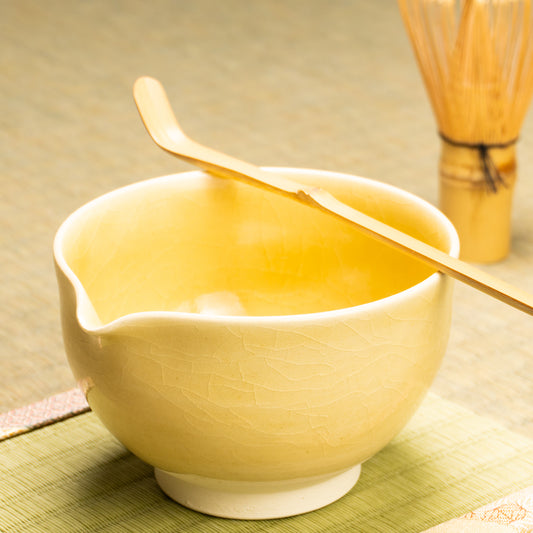
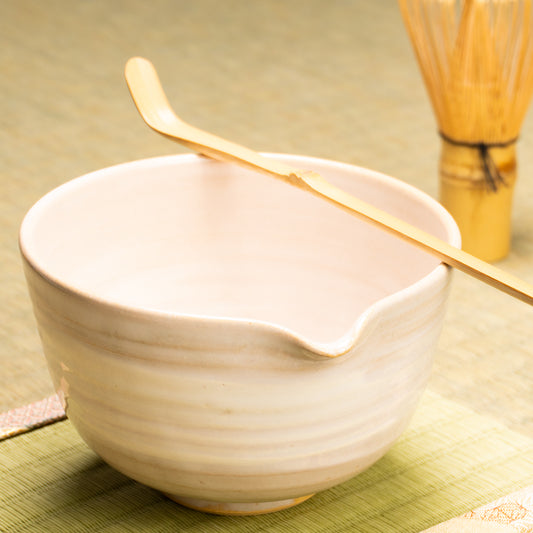
Matcha Bowl with Spout - Yellow Celadon by Dainichi Kiln
Regular price ¥5,500 JPYRegular priceUnit price per -
Matcha Bowl with Spout - White Hagi Glaze by Juzen Kiln
Regular price ¥4,400 JPYRegular priceUnit price per -
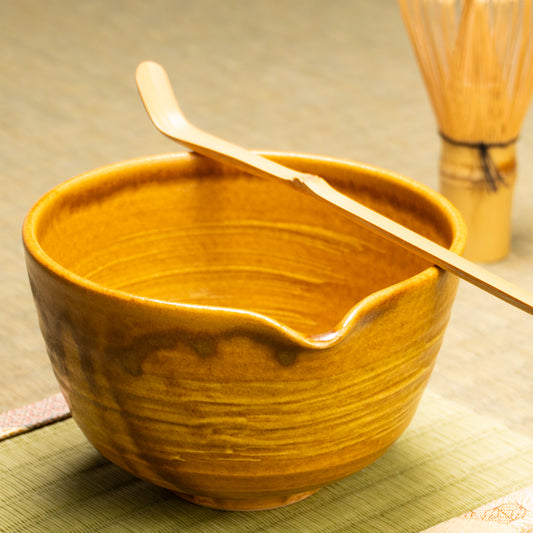
Matcha Bowl with Spout - Irabo Glaze by Juzen Kiln
Regular price ¥4,400 JPYRegular priceUnit price per -
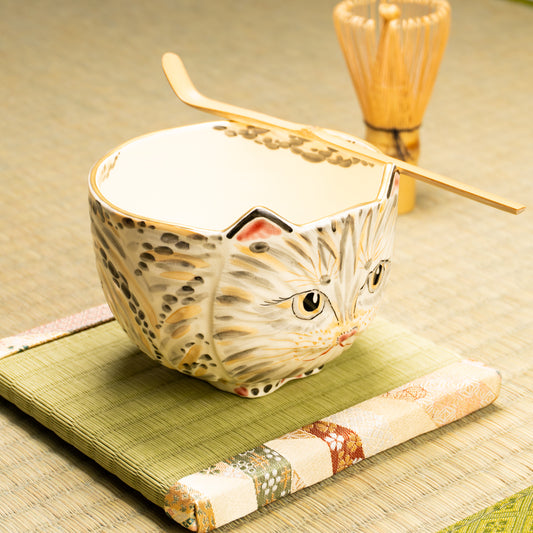
Matcha Bowl - Brown Tabby Cat by Ryoji
Regular price ¥27,500 JPYRegular priceUnit price per -
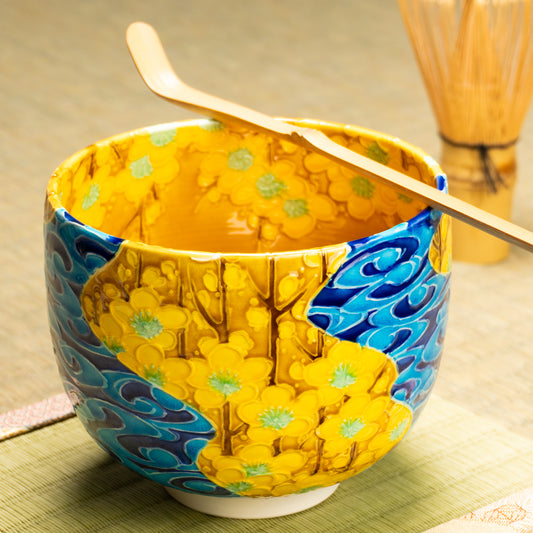
Matcha Bowl - Antique Yellow “Plum Blossoms & Kanze Water” by Ichinyo
Regular price ¥66,000 JPYRegular priceUnit price per¥0 JPYSale price ¥66,000 JPY -
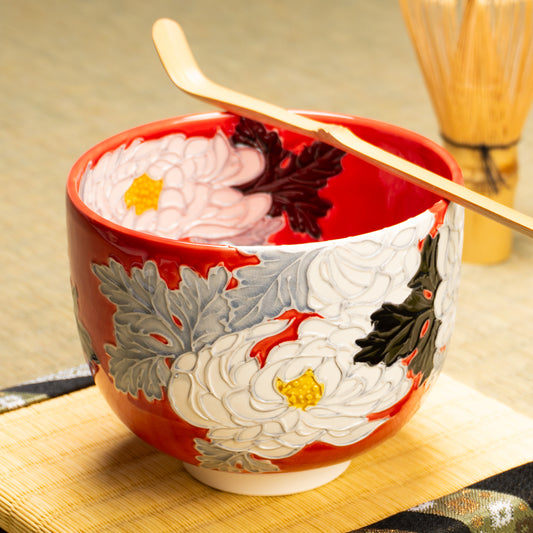
Matcha Bowl - Vermilion “White Chrysanthemums” by Ichinyo
Regular price ¥55,000 JPYRegular priceUnit price per¥0 JPYSale price ¥55,000 JPY -
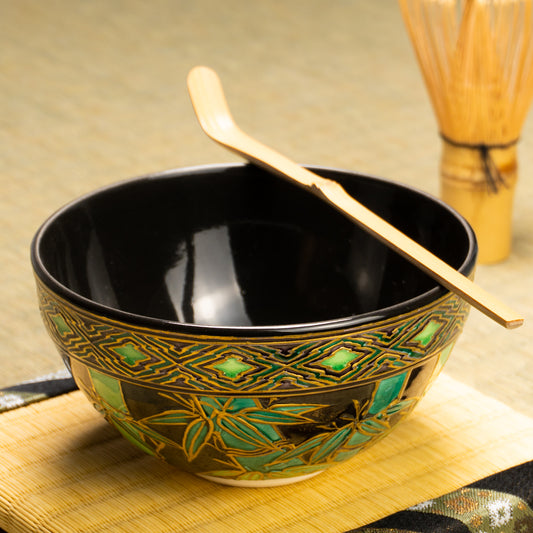
Matcha Bowl - Purple “Bamboo Grove” by Ichinyo
Regular price ¥55,000 JPYRegular priceUnit price per¥0 JPYSale price ¥55,000 JPY -
Matcha Bowl - Purple “Pine-Bark Diamond Pattern with Landscape Scenes” by Ichinyo
Regular price ¥44,000 JPYRegular priceUnit price per¥0 JPYSale price ¥44,000 JPY -
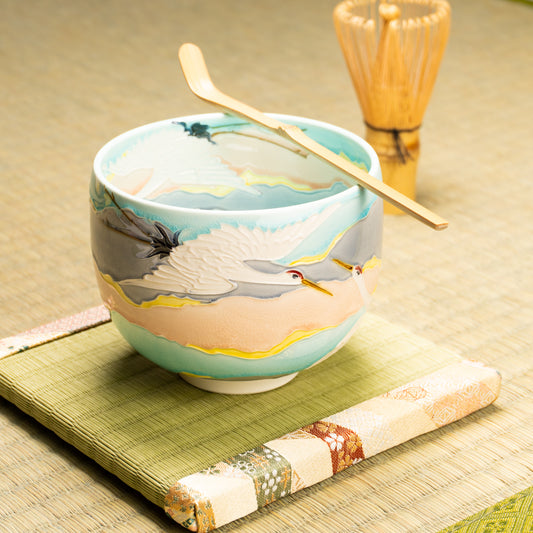
Matcha Bowl - Pale Blue “Morning Glow” by Ichinyo
Regular price ¥57,000 JPYRegular priceUnit price per¥0 JPYSale price ¥57,000 JPY -
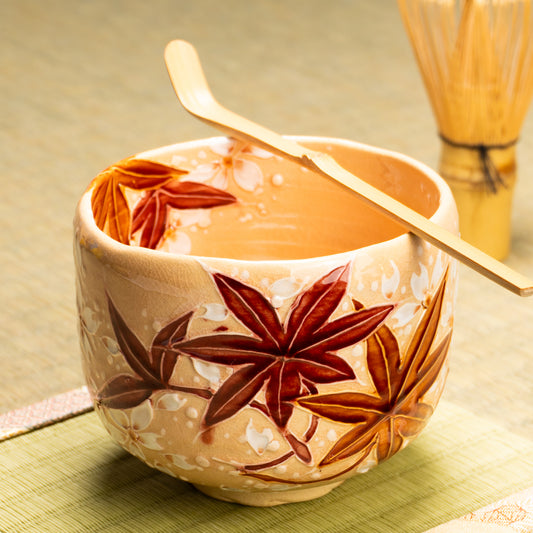
Matcha Bowl - Pink Unkin - Cherry Blossoms & Maple Leaves by Ichinyo
Regular price ¥55,000 JPYRegular priceUnit price per¥0 JPYSale price ¥55,000 JPY -
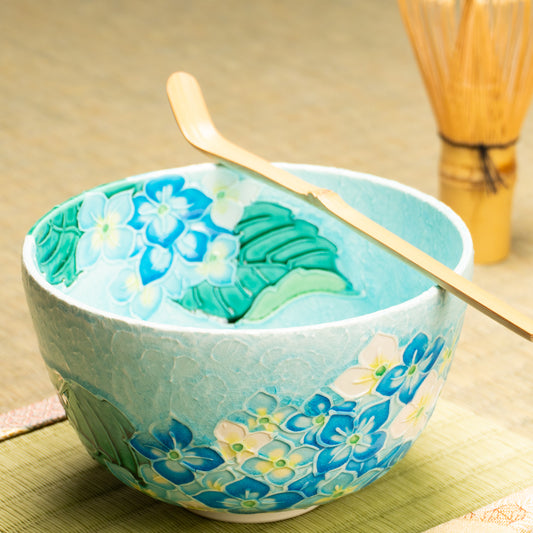
Matcha Bowl - Pale Blue Hydrangeas by Ichinyo
Regular price ¥44,000 JPYRegular priceUnit price per¥0 JPYSale price ¥44,000 JPY -
Matcha Bowl - Pink “Morning Glow” by Ichinyo
Regular price ¥44,000 JPYRegular priceUnit price per¥0 JPYSale price ¥44,000 JPY -
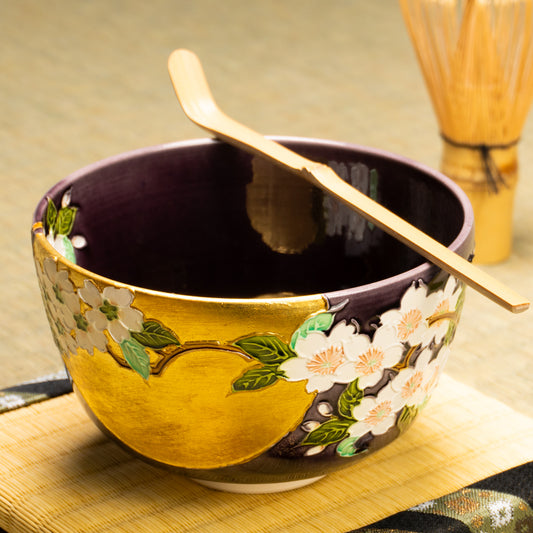
Matcha Bowl - Purple “Cherry Blossoms & Moon” by Ichinyo
Regular price ¥49,000 JPYRegular priceUnit price per¥0 JPYSale price ¥49,000 JPY -
Matcha Bowl - Golden Kōchi “Fukiyose” by Ichinyo
Regular price ¥44,000 JPYRegular priceUnit price per¥0 JPYSale price ¥44,000 JPY -
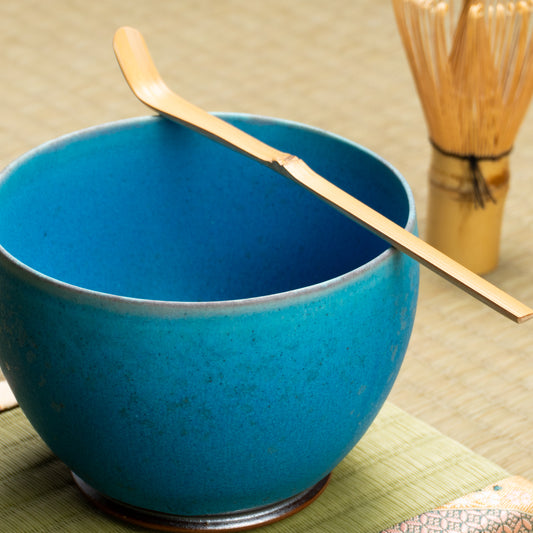
Matcha Bowl / Café Bowl - Blue Glaze by Ryuta Takagi
Regular price ¥11,000 JPYRegular priceUnit price per -
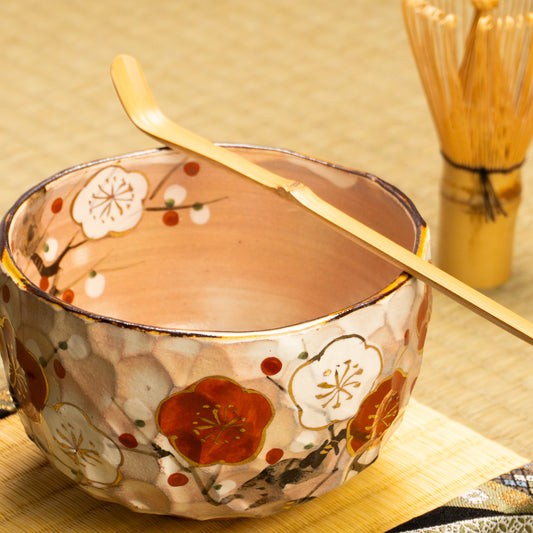
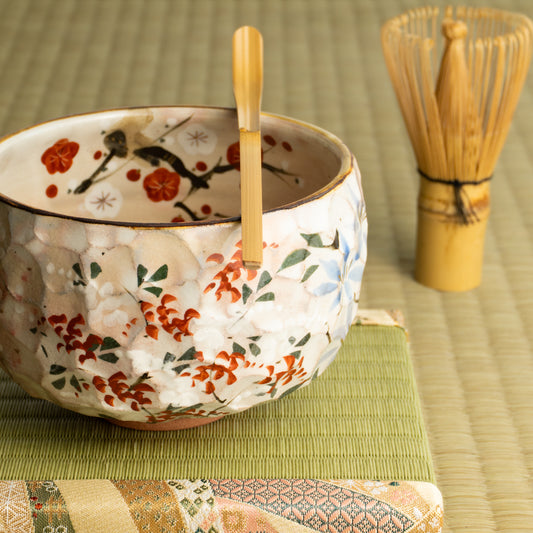
Matcha Bowl - Red & White Plum Blossoms by Shunzan Kiln
Regular price ¥27,500 JPYRegular priceUnit price per -
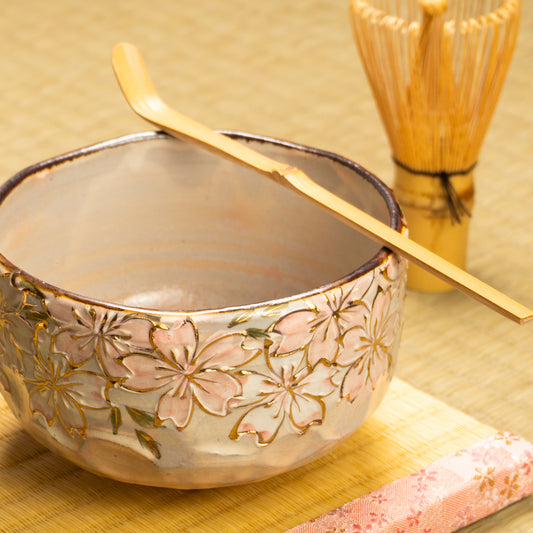
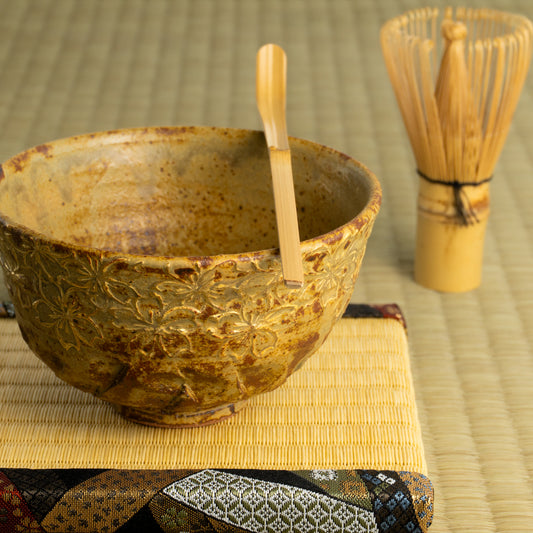
Matcha Bowl - Gold Relief Cherry Blossoms by Shunzan Kiln
Regular price ¥33,000 JPYRegular priceUnit price per -
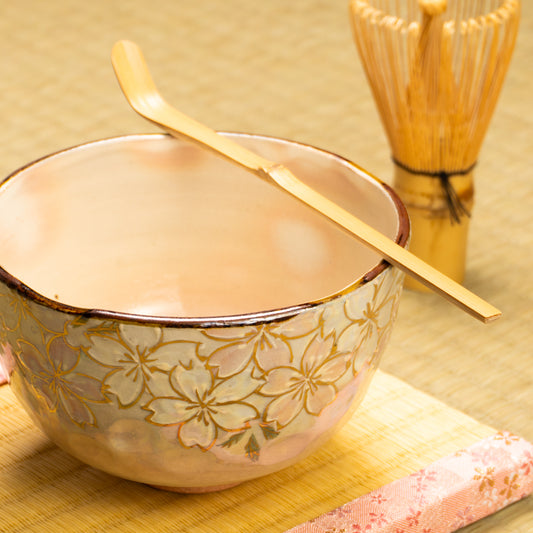
Matcha Bowl - Lusterware Cherry Blossoms by Shunzan Kiln
Regular price ¥27,500 JPYRegular priceUnit price per -
Matcha Bowl - Lusterware “Cherry Blossoms All Over” by Shunzan Kiln
Regular price ¥33,000 JPYRegular priceUnit price per -
Matcha Bowl - Tenmoku “Glaze Pool” 4F by Teiichi Oketani
Regular price ¥14,000 JPYRegular priceUnit price per -
Matcha Bowl - Tenmoku “Glaze Pool” 4D by Teiichi Oketani
Regular price ¥17,000 JPYRegular priceUnit price per -
Matcha Bowl - Tenmoku “Glaze Pool” 4C by Teiichi Oketani
Regular price ¥17,000 JPYRegular priceUnit price per -
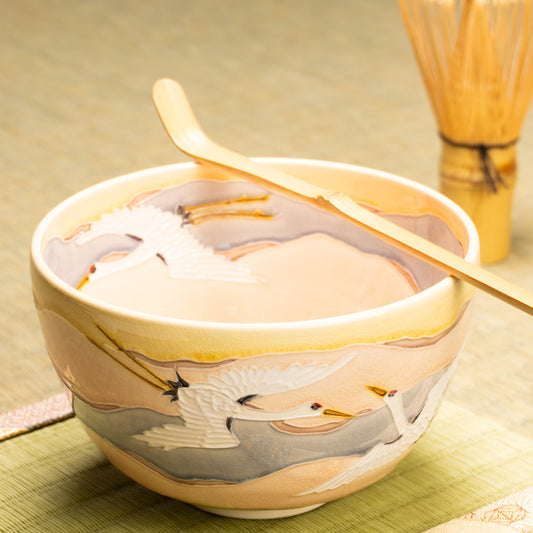
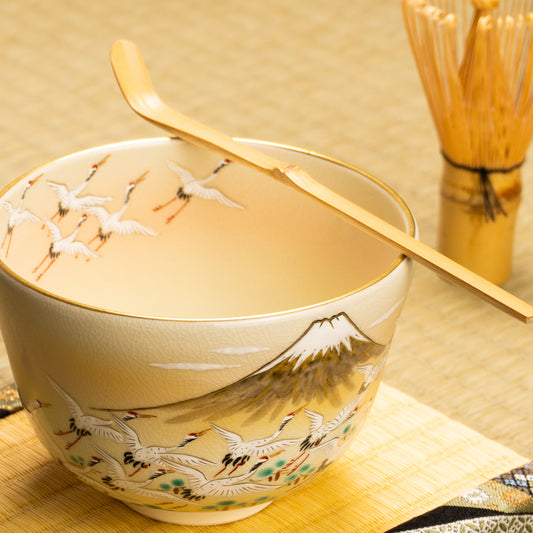
Matcha Bowl - Mt. Fuji & Flock of Cranes by Touraku
Regular price ¥27,500 JPYRegular priceUnit price per -
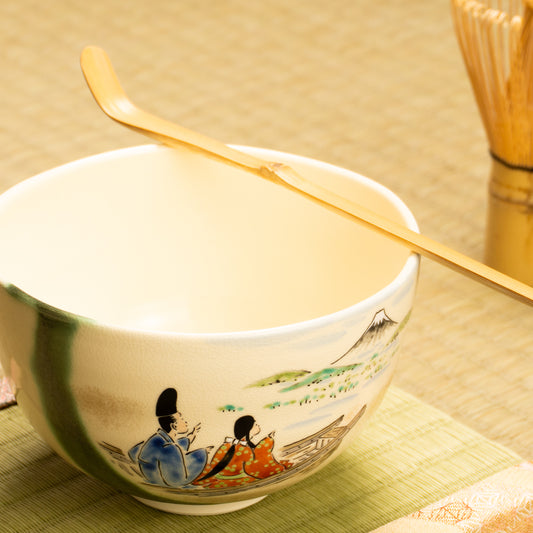
Matcha Bowl - Oribe Heian Nobles Viewing Mt. Fuji by Hosen
Regular price ¥7,040 JPYRegular priceUnit price per -
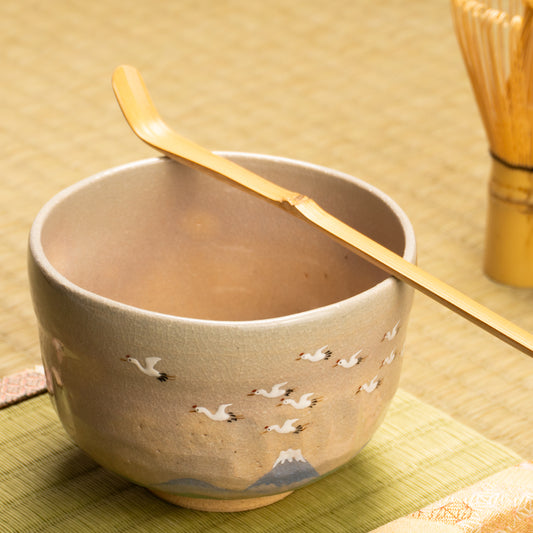
Matcha Bowl - Journey Across Mt. Fuji by Sho
Regular price ¥5,940 JPYRegular priceUnit price per -
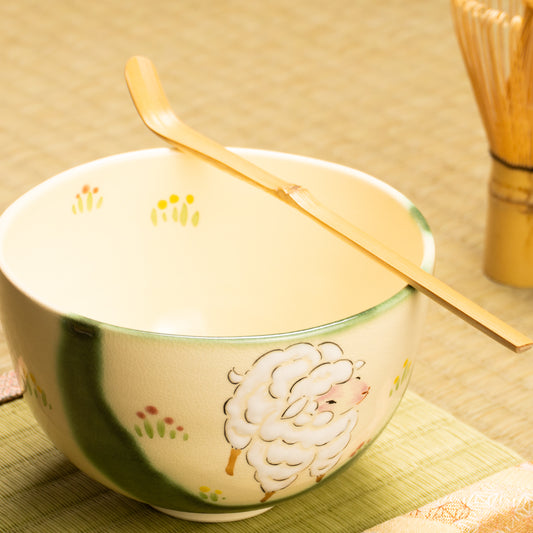
Matcha Bowl - Oribe Lamb by Hosen
Regular price ¥6,160 JPYRegular priceUnit price per -
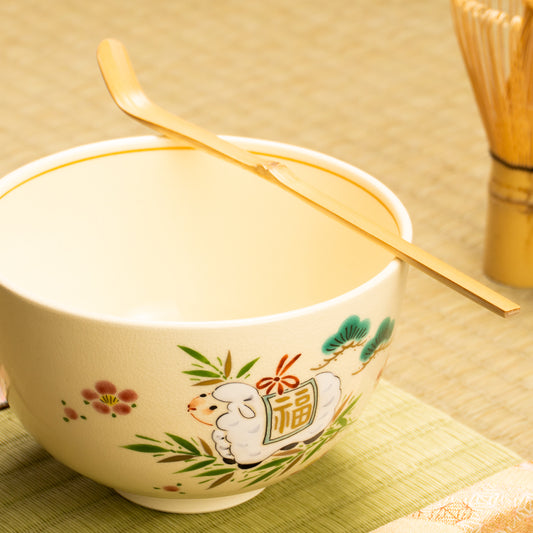
Matcha Bowl - Auspicious Sheep by Hosen
Regular price ¥6,380 JPYRegular priceUnit price per -
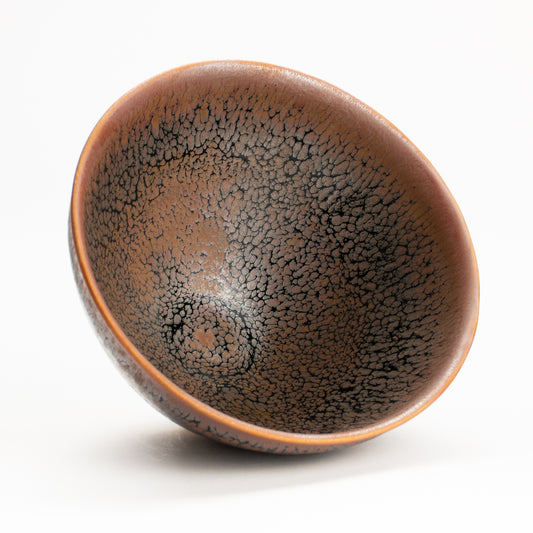
Matcha Bowl - Yuteki Tenmoku by Teiichi Oketani
Regular price ¥16,000 JPYRegular priceUnit price per -
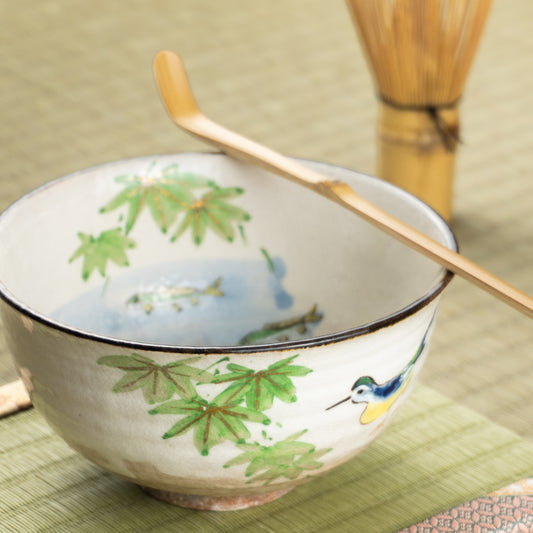
Matcha Bowl - Kingfisher & Ayu Fish with Green Maple Leaves by Yoshizo
Regular price ¥22,000 JPYRegular priceUnit price per -
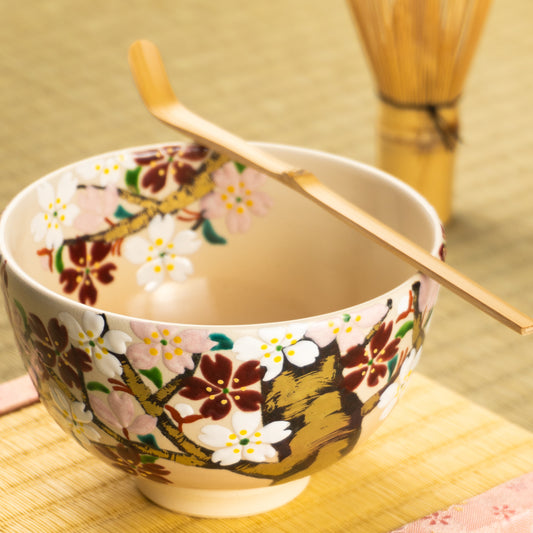
Matcha Bowl - Cherry Blossoms in Full Bloom by Kakozan Kiln
Regular price ¥17,600 JPYRegular priceUnit price per -
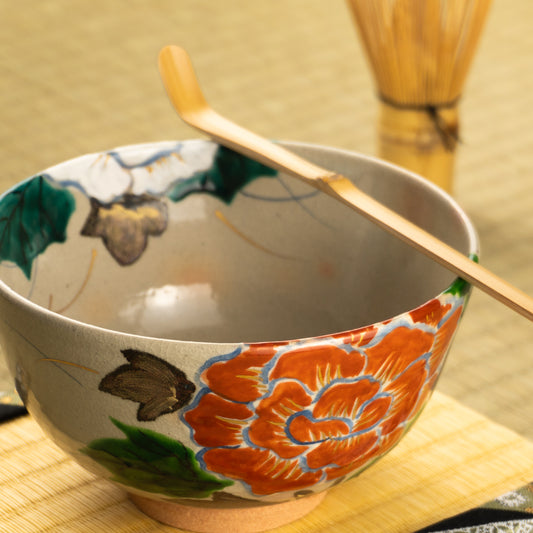
Matcha Bowl - Kenzan Style “Peony” by Kakozan Kiln
Regular price ¥17,600 JPYRegular priceUnit price per -
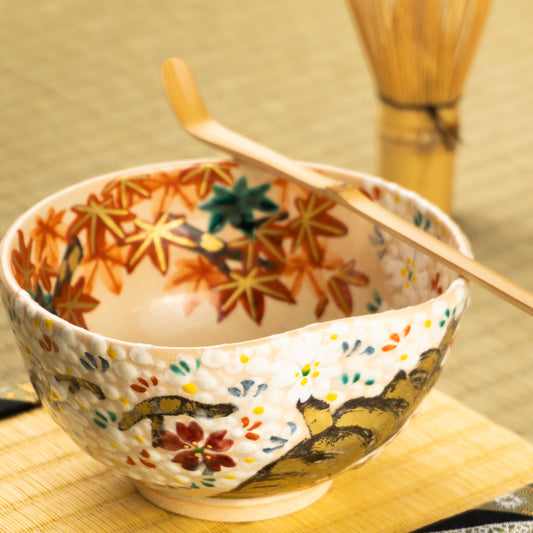
Matcha Bowl - “Unkin - Cherry Blossoms & Maple Leaves” by Kakozan Kiln
Regular price ¥22,000 JPYRegular priceUnit price per -
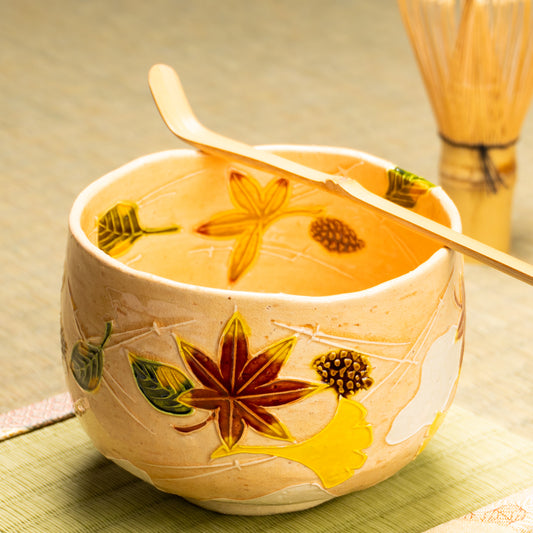
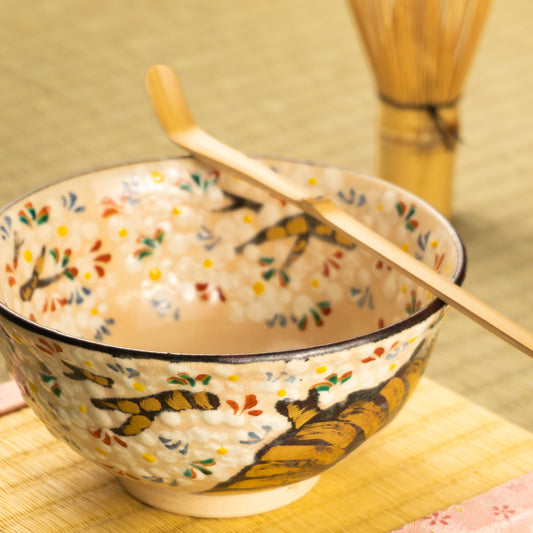
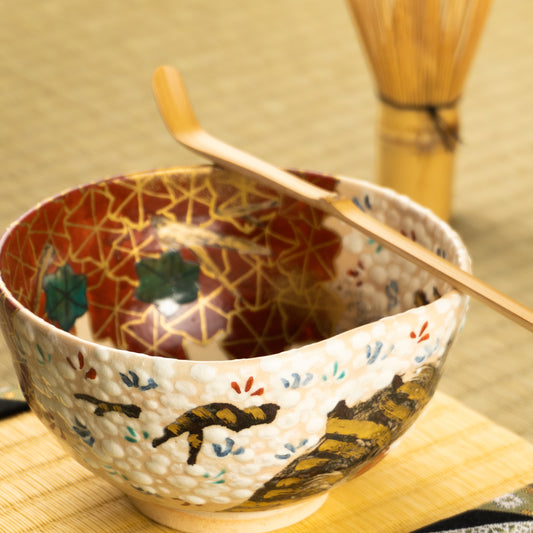
Matcha Bowl - “Cherry Blossoms in Full Bloom & Autumn Foliage” by Kakozan Kiln
Regular price ¥24,200 JPYRegular priceUnit price per -
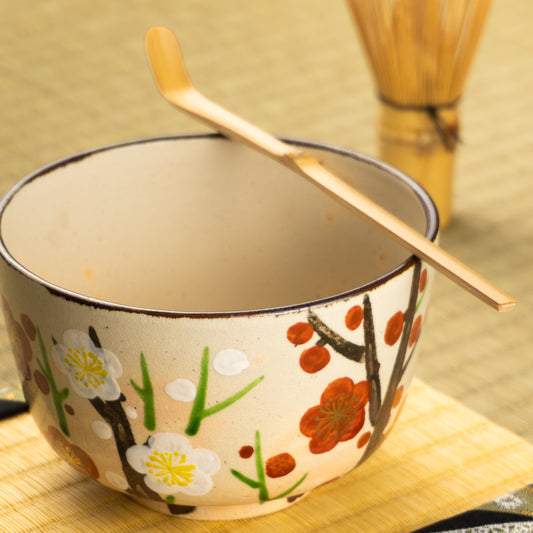
Matcha Bowl - Kenzan Style “Red and White Plum Blossoms” by Kakozan Kiln
Regular price ¥15,400 JPYRegular priceUnit price per -
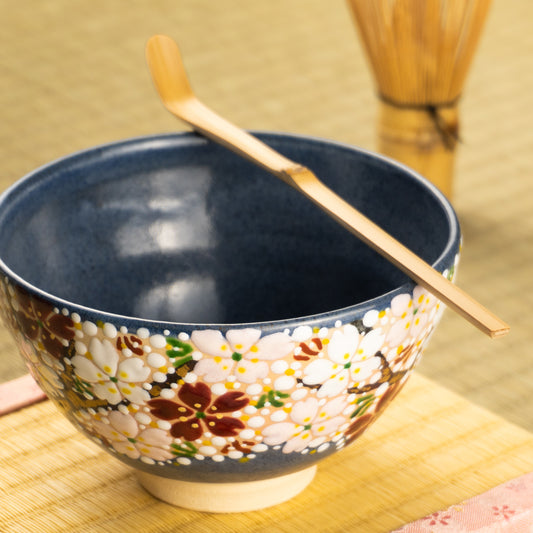
Matcha Bowl - Polychrome “Cherry Blossoms” by Kakozan Kiln
Regular price ¥16,500 JPYRegular priceUnit price per -
Matcha Bowl - “Cherry Blossoms at Night” by Kakozan Kiln
Regular price ¥17,600 JPYRegular priceUnit price per -
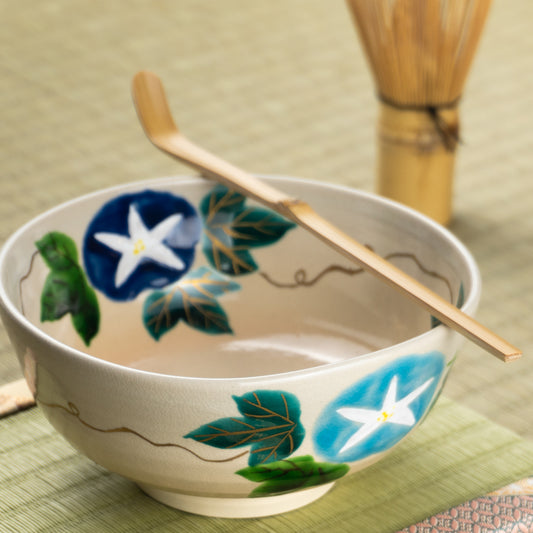
Matcha Bowl (Shallow Bowl) - Polychrome “Morning Glory” by Kakozan Kiln
Regular price ¥15,400 JPYRegular priceUnit price per -
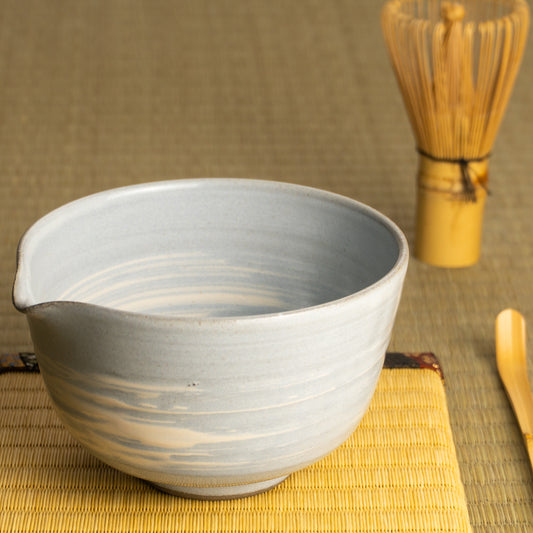
Matcha Bowl with spout - Blue Hagi by Juzen Kiln
Regular price ¥4,400 JPYRegular priceUnit price per -
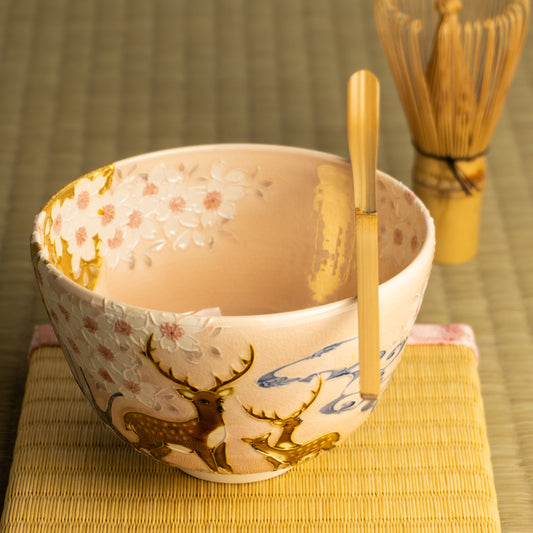
Matcha Bowl - Pale Pink “Moonlit Cherry Blossoms and Deer” by Ichinyo
Regular price ¥63,000 JPYRegular priceUnit price per¥0 JPYSale price ¥63,000 JPY -
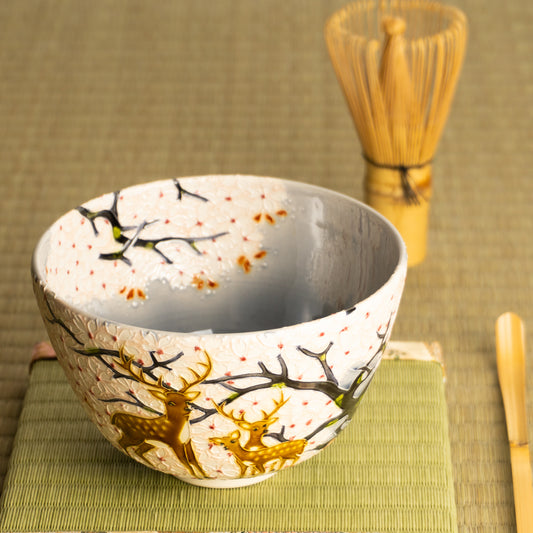
Matcha Bowl - Pale Purple “Deer and Cherry Blossoms” by Ichinyo
Regular price ¥63,000 JPYRegular priceUnit price per¥0 JPYSale price ¥63,000 JPY -
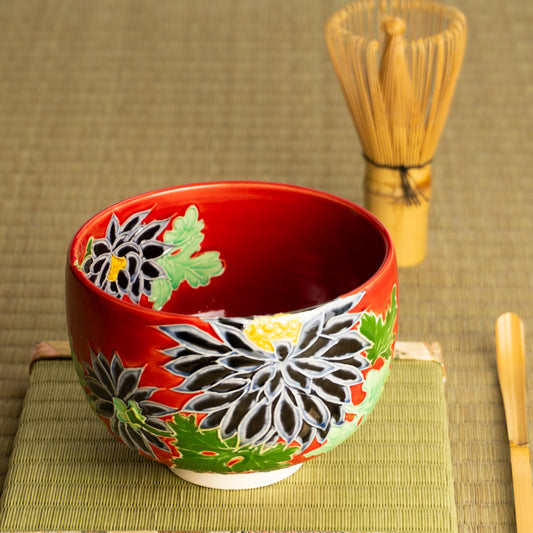
Matcha Bowl - Vermilion “Black Chrysanthemum” by Ichinyo
Regular price ¥49,000 JPYRegular priceUnit price per¥0 JPYSale price ¥49,000 JPY -
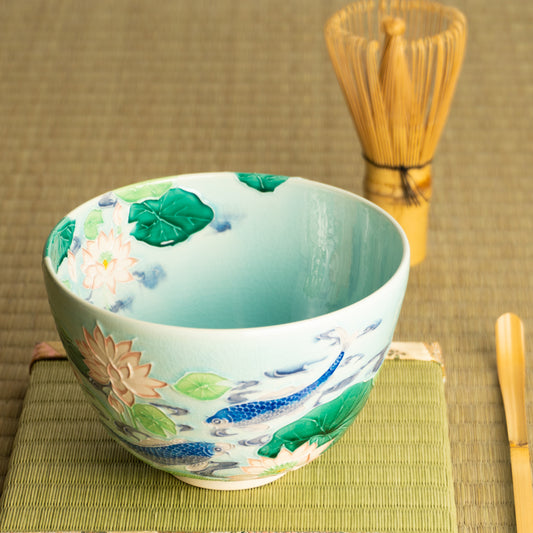
Matcha Bowl - Pale Blue “Carp and Lotus” by Ichinyo
Regular price ¥58,000 JPYRegular priceUnit price per¥0 JPYSale price ¥58,000 JPY -
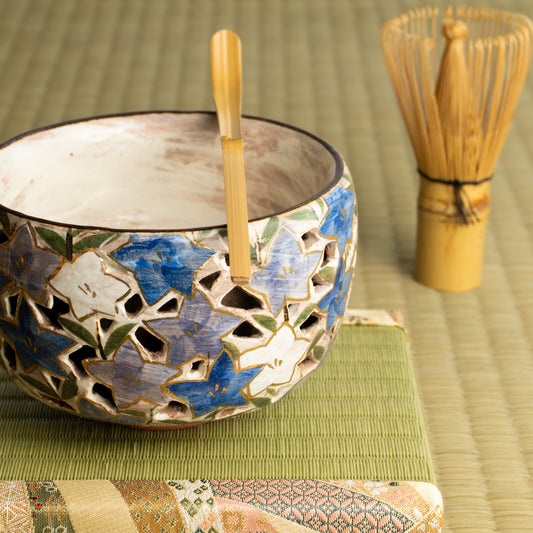
Matcha Bowl - Openwork Carving “Bellflower Design” by Shunzan Kiln
Regular price ¥55,000 JPYRegular priceUnit price per -
Matcha Bowl - Openwork Carving “Cherry Blossom Design” by Shunzan Kiln
Regular price ¥55,000 JPYRegular priceUnit price per -
Matcha Bowl - Polychrome “Seasonal Flowers” by Shunzan Kiln
Regular price ¥22,000 JPYRegular priceUnit price per -
Matcha Bowl - Irabo Gold Luster “Cherry Blossom Design” Round by Shunzan Kiln
Regular price ¥22,000 JPYRegular priceUnit price per -
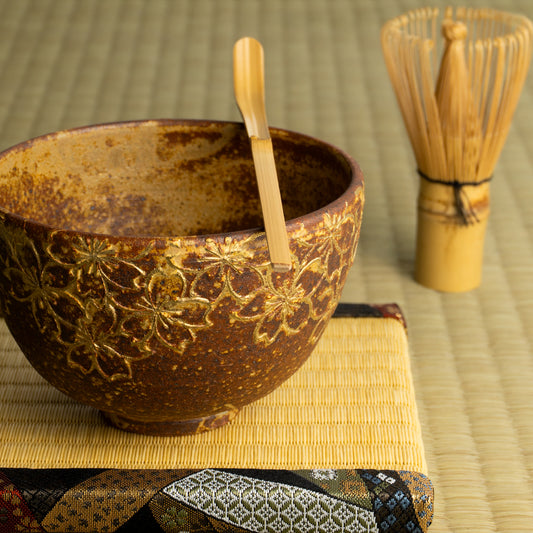
Matcha Bowl - Irabo Gold Luster “Cherry Blossom Design” by Shunzan Kiln
Regular price ¥33,000 JPYRegular priceUnit price per -
Matcha Bowl - Irabo Gold Luster “Maple Design” B by Shunzan Kiln
Regular price ¥33,000 JPYRegular priceUnit price per -
Matcha Bowl - Irabo Gold Luster “Maple Design” A by Shunzan Kiln
Regular price ¥33,000 JPYRegular priceUnit price per -
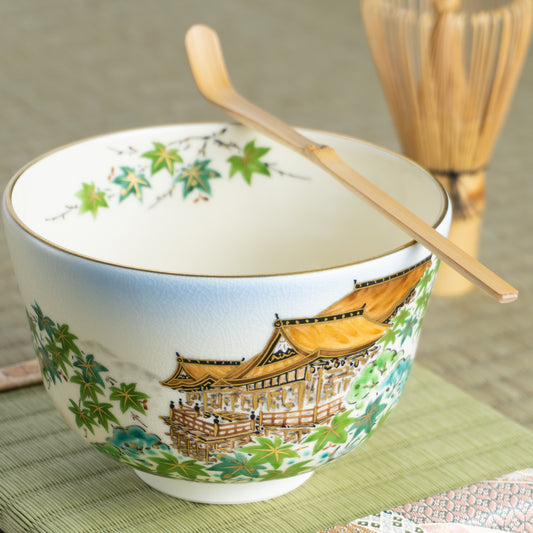
Matcha Bowl - Kiyomizu-dera Temple in Summer by Touraku
Regular price ¥26,400 JPYRegular priceUnit price per -
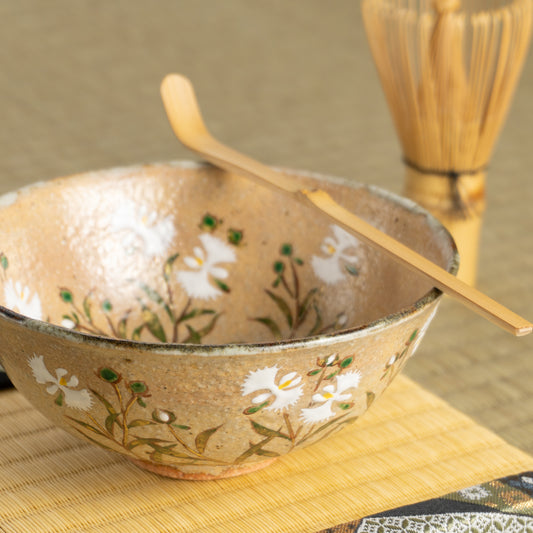
Matcha Bowl (Flat) - Ash Glaze “White Egret Orchid” by Ryoji
Regular price ¥20,900 JPYRegular priceUnit price per -
Matcha Bowl - Ash Glaze “Morning Glory” by Ryoji
Regular price ¥20,900 JPYRegular priceUnit price per




















































Matcha Bowls with High Reviews
-
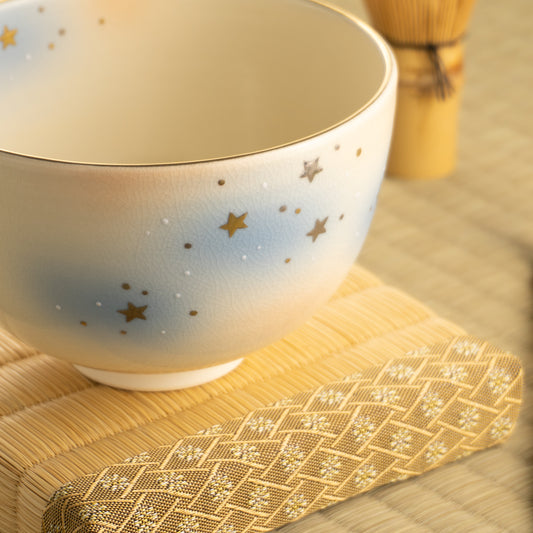
Matcha Bowl -Morning star by Hōsen
Regular price ¥7,700 JPYRegular priceUnit price per -
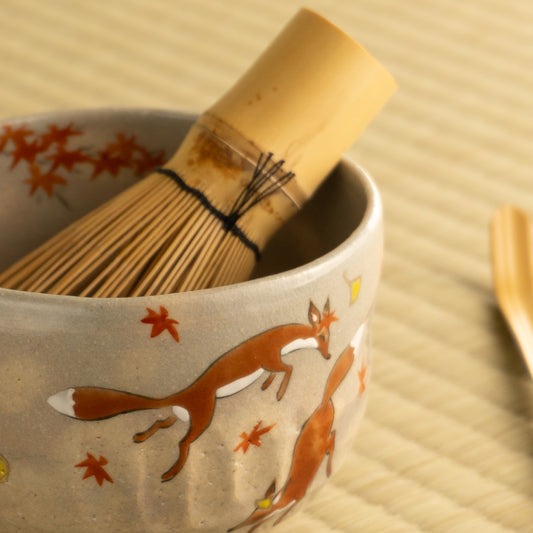
Matcha Bowl – Fox and Autumn Maple Leaves by Noboru
Regular price ¥5,800 JPYRegular priceUnit price per -
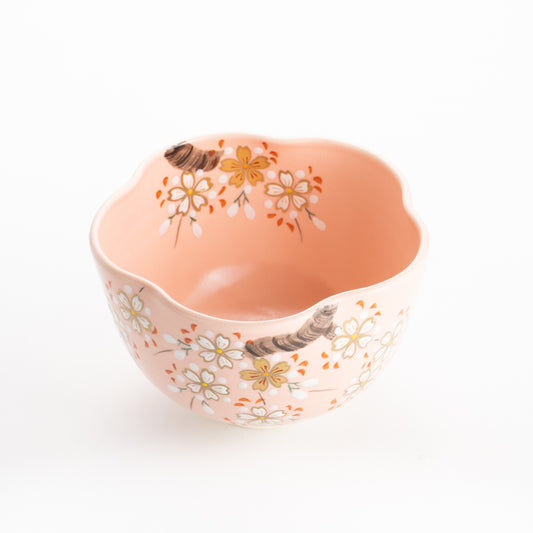
Matcha bowl -花型桜"Flower shaped Sakura" by Toru
Regular price ¥7,700 JPYRegular priceUnit price per



KOTOPOTTER – The Specialty Store for Matcha bowl from Kyoto
Matcha Bowls Under ¥10,000
-
Matcha Bowl -Morning star by Hōsen
Regular price ¥7,700 JPYRegular priceUnit price per -
Matcha bowl -花型桜"Flower shaped Sakura" by Toru
Regular price ¥7,700 JPYRegular priceUnit price per -
Matcha Bowl – Fox and Autumn Maple Leaves by Noboru
Regular price ¥5,800 JPYRegular priceUnit price per -
Matcha Bowl – First Dream of the Year by Teiichi
Regular price ¥9,800 JPYRegular priceUnit price per -
Matcha bowl -織部桜 "Oribe-Sakura" by Hosen
Regular price ¥7,600 JPYRegular priceUnit price per


Matcha Bowls ¥10,000 & Above
-
Matcha bowl - Persimmon leaf glaze "KINTSUGI relief" by Ryoji
Regular price ¥25,300 JPYRegular priceUnit price per -
Matcha Bowl -Mt.Fuji & Great wave by Toraku
Regular price ¥35,000 JPYRegular priceUnit price per -
Matcha bowl -Cherry blossoms on the inside by Zensho
Regular price ¥24,200 JPYRegular priceUnit price per -
Matcha bowl -Ash glaze, Sakura flowing water by Ryoji
Regular price ¥22,000 JPYRegular priceUnit price per -
Matcha Bowl with spout -"Iron Black" by Koji Takahashi
Regular price ¥12,000 JPYRegular priceUnit price per


