
Matcha bowls come in a wide variety of styles, not only in shape but also in glaze, decoration, and firing method.
Even when preparing the same matcha, the impression changes greatly depending on the color, texture, and decoration of the bowl. Kyo-yaki/Kiyomizu-yaki is pottery that has developed by incorporating diverse techniques, not limited to one specific style.
Here, we will introduce the characteristics of seven representative types of matcha bowls commonly seen in Kyo-yaki/Kiyomizu-yaki.
| Type | Characteristics | Impression |
|---|---|---|
| Raku ware | Soft texture unique to handmade items | Traditional, calm |
| Ninsai | Delicate overglaze enamel and gold decoration on white background | Elegant, opulent |
| Kochi | Decoration with vibrant colored glazes | Bright, luxurious |
| Tenmoku | Black and brown iron glaze with kiln-induced color changes | Profound, serene |
| Mishima | Decoration with stamped patterns and white slip | Refined, elegant |
| Glass | Transparent and refreshing | Summer-oriented, light |
| Overglaze Enamel and Gold Decoration | Vibrant decoration of seasonal flowers and gold | 華やか・季節感 |

Raku ware
Raku ware is a representative matcha bowl deeply connected to the tea ceremony.
Generally, each bowl is shaped by hand-building without using a potter's wheel. It is characterized by its soft curves, unique to handcraft, and its warm, comfortable shape that fits well in the hand.
There are various expressions, including black Raku, red Raku, white Raku, and amber glaze, which beautifully enhance the green of matcha. Many pieces have minimal ornamentation, making them suitable for those who wish to enjoy a quiet and serene cup of tea.
Ninsai
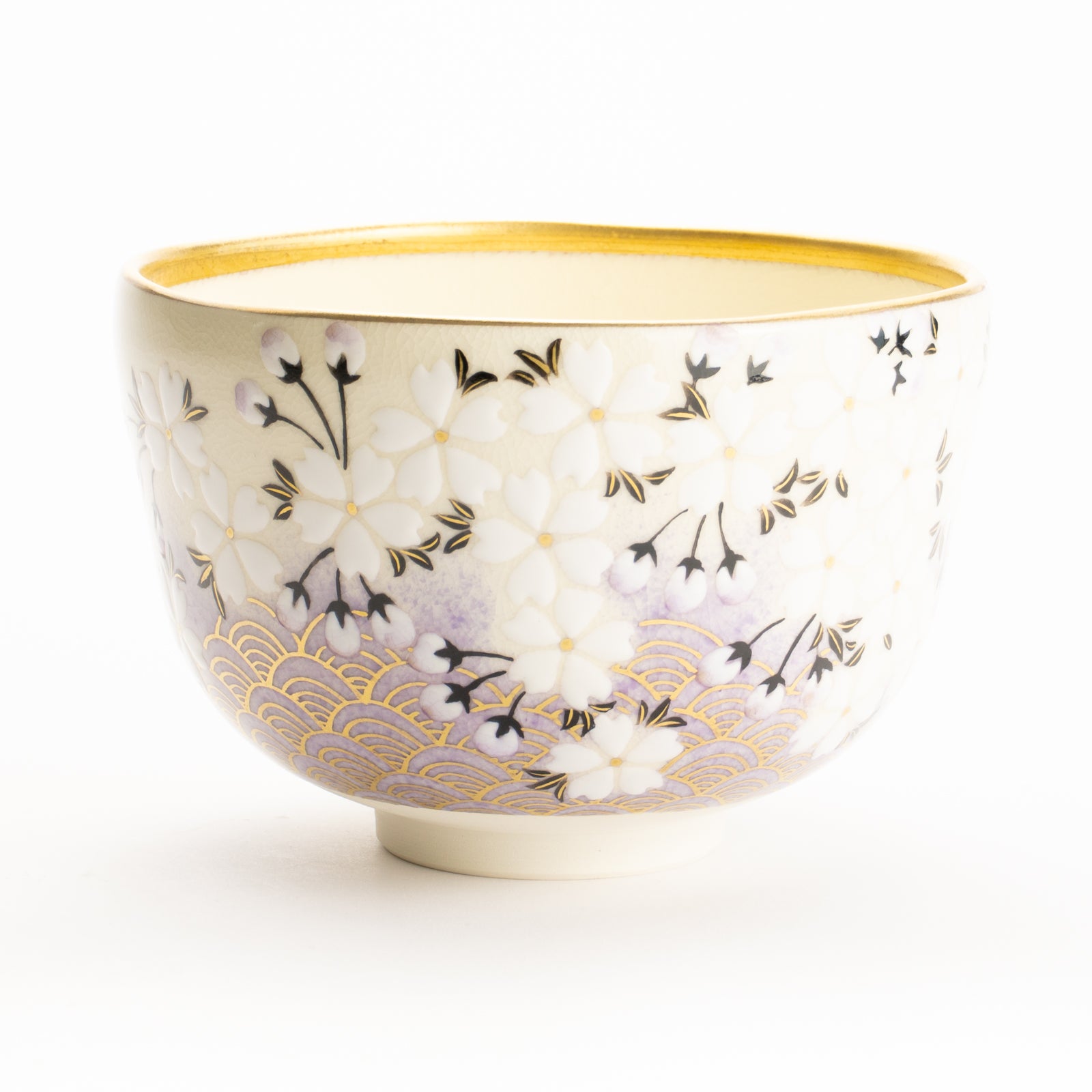
Ninsai is an overglaze enamel style representative of Kyo-yaki, named after the Edo period potter Nonomura Ninsei.
Delicate depictions of seasonal flowers, birds, flowing water, and auspicious patterns are painted on a white, elegant ceramic body, with gold accents added to express the graceful beauty characteristic of Kyoto.
Many works depict seasons with cherry blossoms, wisteria, autumn leaves, and plum blossoms, offering the pleasure of choosing a matcha bowl to match the tea ceremony or season. It is recommended for those seeking a matcha bowl that is both opulent and dignified.

Kochi
Kochi is a decorative technique that uses vibrant colored glazes such as green, yellow, purple, and blue.
By raising the outlines of patterns and applying colored glazes within them, a colorful and three-dimensional appearance is created. It is characterized by its glossy glazed surface and bright coloration, which harmonizes well with animal, plant, and auspicious patterns.
In Kyo-yaki/Kiyomizu-yaki, not only classical designs but also works incorporating modern color schemes and designs are produced. It is suitable for those who want to enjoy color itself or are looking for a matcha bowl with a vibrant impression.
Tenmoku
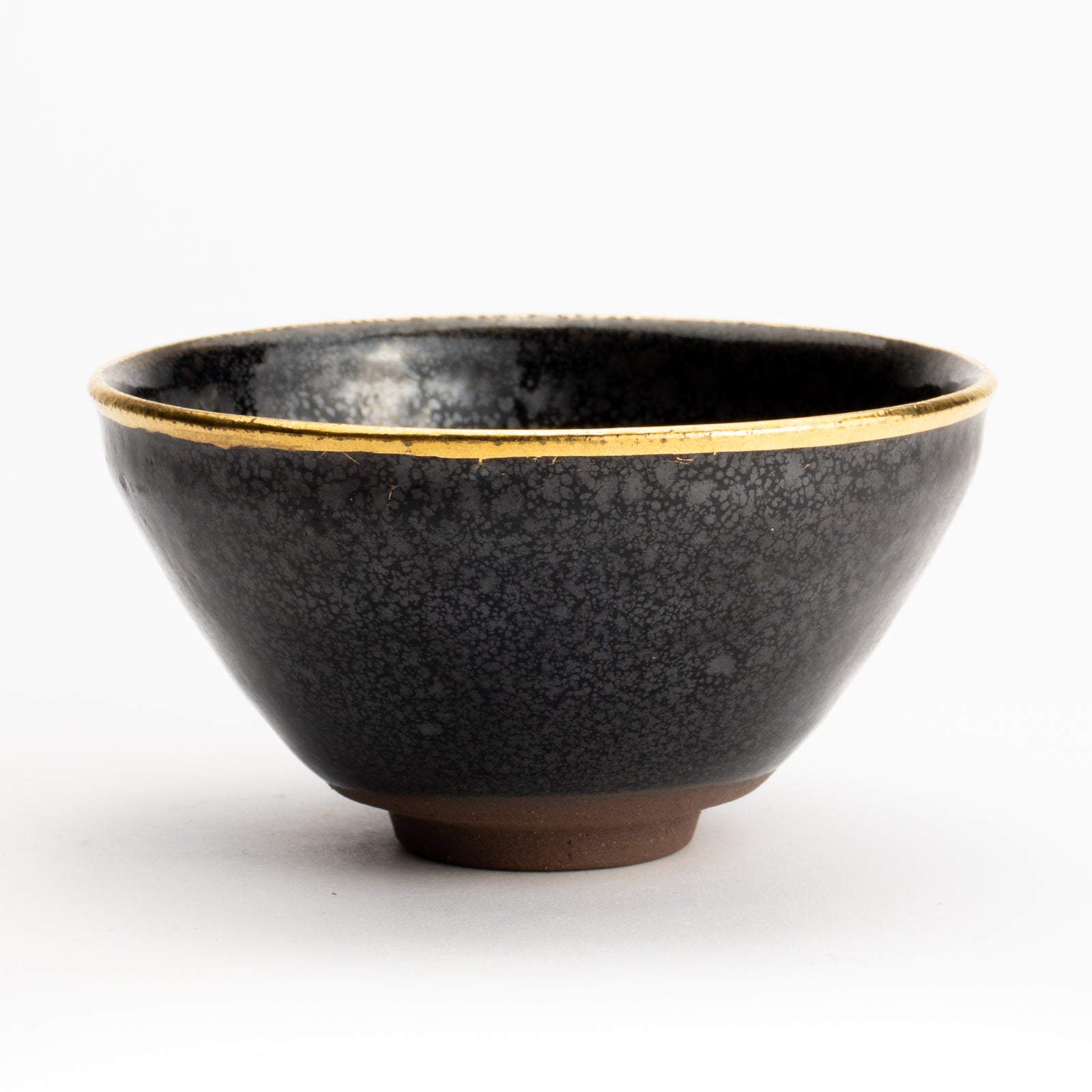
Tenmoku tea bowls are matcha bowls featuring an iron glaze based on black or brown. Originating from Song dynasty China, these bowls were brought to Japan and cherished as tea utensils.
Many Tenmoku bowls have a refined shape with a wide mouth, a constricted body, and a small foot, and are sometimes used on a stand called a Tenmoku-dai.
Their greatest appeal lies in the expression of the glaze created during firing. Various patterns emerge depending on the glaze composition, kiln temperature, and flame conditions, such as Yohen Tenmoku, Yuteki Tenmoku, and Noge Tenmoku.
The deep black surface of the bowl enhances the vibrant green of matcha. It is recommended for those who appreciate the changing appearance of the glaze and its interaction with light, and for those seeking a matcha bowl with a calm and profound feel.

Mishima
Mishima is a technique in which patterns are carved or stamped onto the surface of a vessel, and white slip is embedded into the depressions to make the patterns stand out.
The regular arrangement of intricate patterns creates an elegant and refined appearance. Unlike vibrant overglaze enamel, its characteristic feature is the contrast between the texture of the clay and the white patterns.
In Kyo-yaki/Kiyomizu-yaki, works are also created that combine traditional Mishima patterns with colored glazes and gold decoration. It is recommended for those who prefer understated decoration or subtle elegance.

Glass
Glass matcha bowls are appealing for their cool, transparent appearance. When they catch the light, various expressions emerge on their surface and interior, offering a lighter impression than ceramics.
Because of their visually cooling effect, they are primarily used for summer tea ceremonies or for enjoying cold matcha at home. In addition to clear glass, there are also pieces made with colored glass in shades of blue or green, and works that incorporate bubbles or flowing patterns.
It is recommended for those who value seasonality and wish to enjoy a refreshing cup of tea in summer.
Overglaze Enamel and Gold Decoration
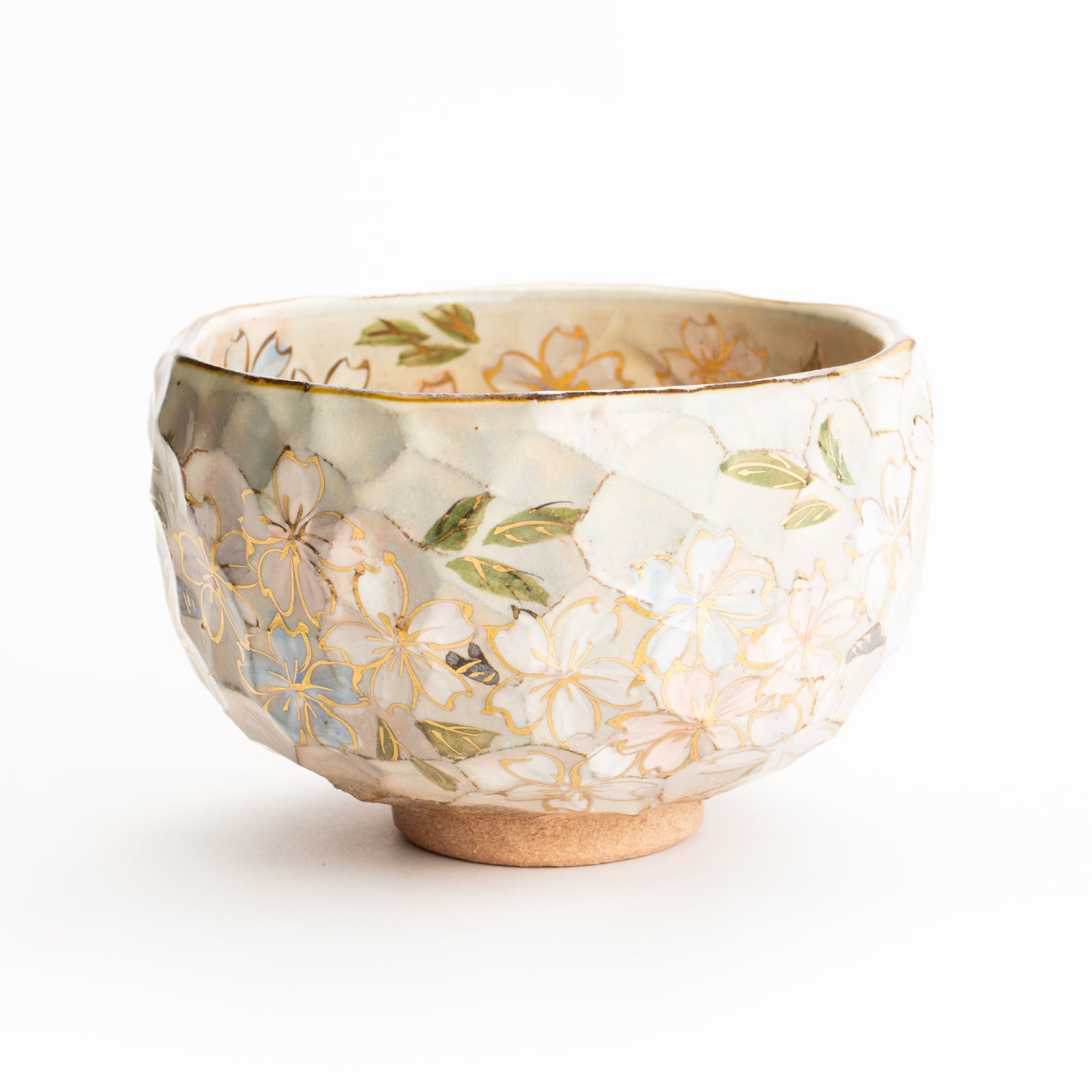
Overglaze enamel is a decorative technique in which patterns are painted with colored pigments on the surface of a fired vessel and then refired. In Kyo-yaki/Kiyomizu-yaki, many matcha bowls are created with delicate depictions of seasonal plants and flowers such as cherry blossoms, wisteria, hydrangeas, autumn leaves, and camellias.
Gold decoration is a technique that adds patterns or outlines using gold. Combining overglaze enamel with gold decoration creates a sense of splendor and depth when it catches the light.
Matcha bowls with overglaze enamel and gold decoration are suitable for those who wish to enjoy a sense of seasonality or prefer ornate pieces. They are also a good choice for celebrations or as gifts for loved ones.
If you're unsure about choosing your first matcha bowl
When choosing your first matcha bowl, it's helpful to consider not only aesthetic preference but also the season and occasion for use.
Raku ware or Tenmoku are recommended for those who want to enjoy the calm atmosphere of the tea ceremony, while Ninsai or overglaze enamel and gold decoration are recommended for those who seek the splendor characteristic of Kyoto. If you want to enjoy vibrant colors, Kochi is a good choice, and if you prefer understated and elegant decoration, Mishima is an option.
For a cup of tea in summer, a transparent glass matcha bowl is also a good match. Without being bound by formality, please choose a bowl that feels right to you, valuing the season, your preference, and the impression it makes when you hold it.


